
Stellux LED郑州星极照电子产品有限公司
Request a stock check

article / Quality SOP / EN

Used LED Power-On Diagnosis: From Test Pattern to Fault List

A controlled power-on route using colour fields, greyscale, patterns and representative content to build a fault list.By STELLUX Editorial · July 29, 2026
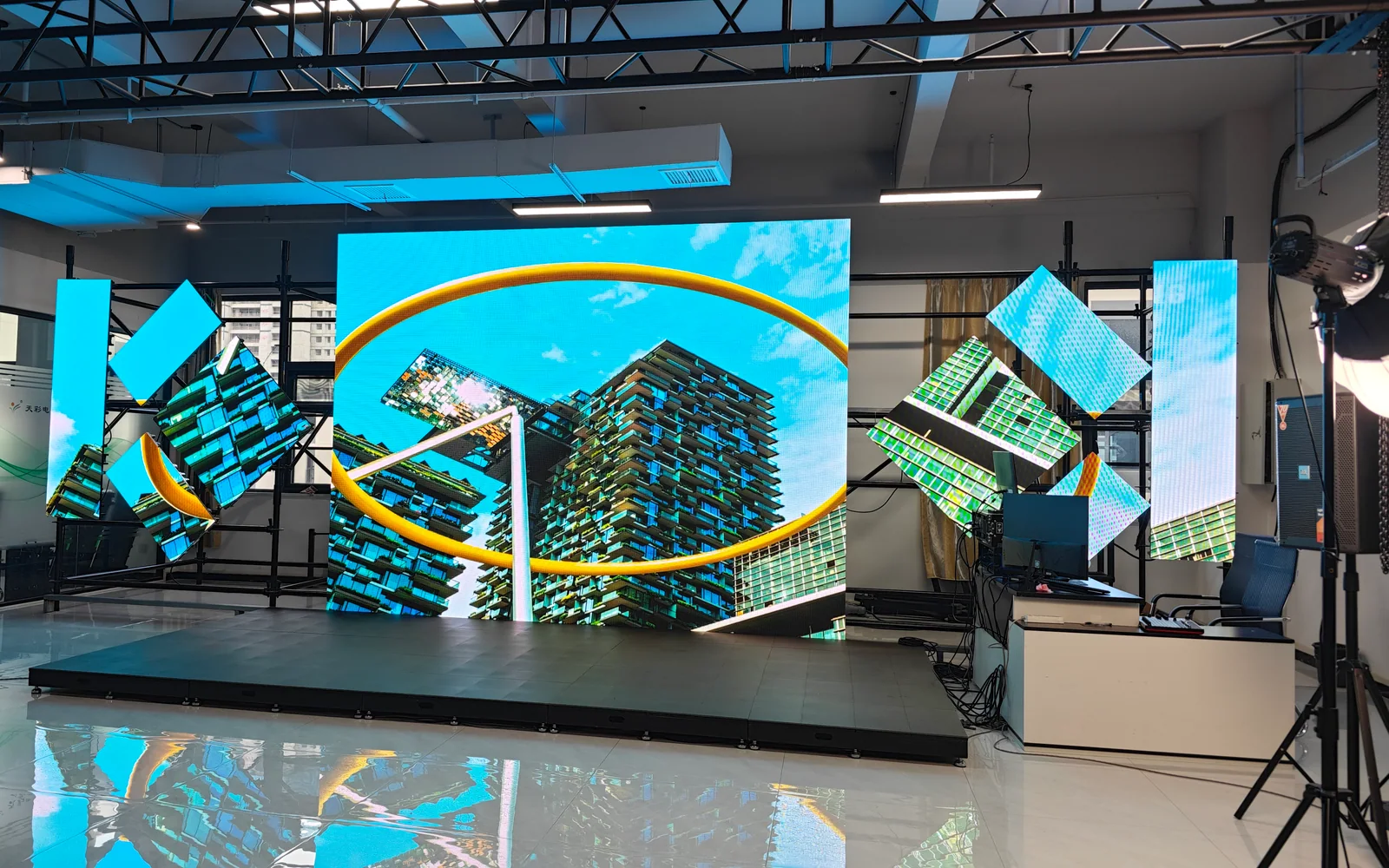
LED displays operating in a controlled showroom during diagnosis
Key takeaways

Build a known signal path

Connect the cabinets through the intended controller and matched receiving-card file. Confirm cabinet order and data flow before interpreting a visual symptom as a hardware fault.

Run a repeatable pattern set

Use red, green, blue, white, low-grey and mapping patterns, then representative motion content. Observe dead or unstable pixels, colour mismatch, brightness variation, power behaviour and data mapping. Record the cabinet position and the settings used.

Produce a fault list, not a showreel

A bright showroom image proves that the system was operating at one moment. The useful output is a cabinet-linked list of symptoms and the test conditions that exposed them. The cover image illustrates a real controlled display environment; batch-specific claims still require the matching record.

FAQ

Frequently asked questions

Is a normal video enough for diagnosis?

No. Normal content can hide pixel, mapping and low-grey problems. Diagnosis should include solid colour, white, grey and mapping patterns before regular content.

RELATED ARTICLES

Continue reading

How Used LED Display Grading WorksA practical guide to age codes, cosmetic condition and functional evidence.Why a 72-Hour Aging Test MattersIntermittent faults often appear only after extended operation.Used LED Export Packing ChecklistWhat should be documented before a used LED shipment leaves the warehouse.

COMMUNITY

Comments 0

No approved comments yet. Start the discussion.