
Stellux LED郑州星极照电子产品有限公司
Request a stock check

article / Quality SOP / EN

Continuous LED Aging Test: How to Observe a Batch Before Release

A practical aging-test plan with defined observation windows, checkpoints and cabinet-linked stability notes.By STELLUX Editorial · July 29, 2026
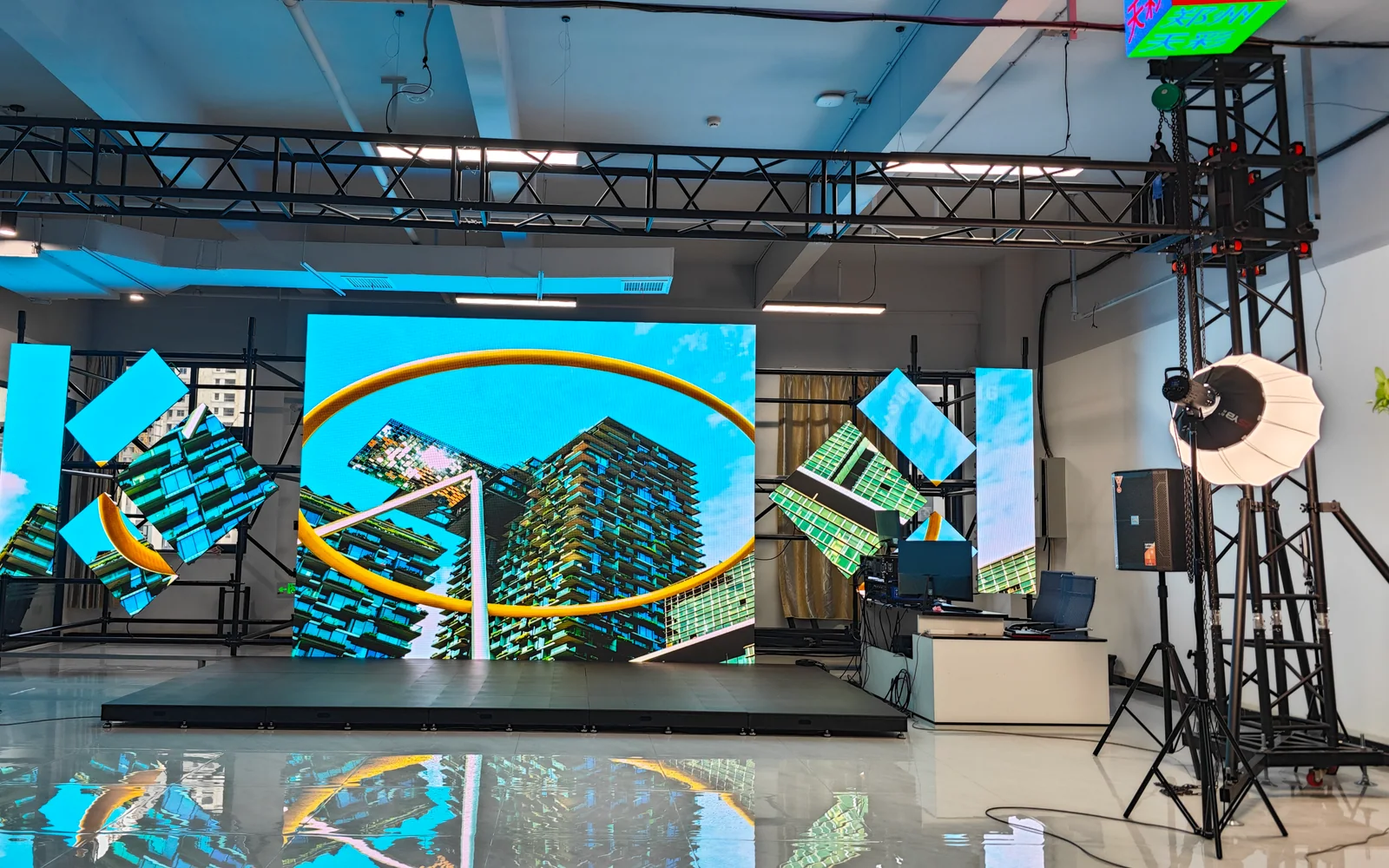
Multiple LED surfaces operating during an extended observation run
Key takeaways

Define the observation plan

After diagnosis and required repair, assemble the batch with its intended control path. Set a documented observation window and planned checkpoints; do not treat elapsed time alone as evidence.

What to check

At each checkpoint record power stability, unexpected restarts, pixel behaviour, colour and brightness consistency, cabinet temperature concerns and any unit removed for attention. Use both test patterns and representative content.

Close the loop

If a fault appears, record the cabinet, correct it and repeat the relevant diagnosis before returning it to observation. The final aging note should identify the batch, dates, checkpoints and release result. The cover image is illustrative field media and does not replace those records.

FAQ

Frequently asked questions

Does aging guarantee future performance?

No. Aging increases the chance of exposing intermittent or heat-related behaviour during the observation window, but it is not a lifetime guarantee.

RELATED ARTICLES

Continue reading

How Used LED Display Grading WorksA practical guide to age codes, cosmetic condition and functional evidence.Why a 72-Hour Aging Test MattersIntermittent faults often appear only after extended operation.Used LED Export Packing ChecklistWhat should be documented before a used LED shipment leaves the warehouse.

COMMUNITY

Comments 0

No approved comments yet. Start the discussion.